

The vaginal flora protects your intimate area and prevents infections. If this balance is disrupted, it can lead to health problems such as bacterial vaginosis or yeast infections. But don't worry, it's not uncommon for the flora to become unbalanced, and there are many ways to restore and stabilize it yourself.
What are the functions of the vaginal flora?
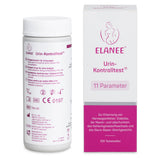
The vaginal flora consists of a variety of microorganisms that live on the mucous membranes of the vagina. These are primarily lactic acid bacteria. As the name suggests, they produce lactic acid. This, in turn, ensures the correct pH level in the vagina. The pH should be acidic and between 3.8 and 4.4. This is optimal for building a protective barrier against bacteria. If this protective barrier is insufficient, bacterial or yeast infections can occur. If you notice any changes in your intimate area, you can easily perform a vaginal pH self- test at home to immediately see if your vaginal flora is out of balance.
How does a disturbed vaginal environment develop?
As soon as the pH level in your intimate area changes, the vaginal flora becomes unbalanced, but why does this happen? First of all, it's important to know that this is not a rare phenomenon, as the causes are varied.
Hormonal imbalances
Hormonal changes – especially fluctuations in estrogen levels – affect the vaginal flora because estrogen promotes the formation of glycogen in vaginal cells. This glycogen serves as a nutrient for lactobacilli, which in turn produce lactic acid and thus maintain the acidic, protective environment.
When estrogen levels drop (e.g., during menopause, after childbirth, or with hormonal contraceptives), less glycogen is produced – the number of lactobacilli decreases, the pH level rises, and disease-causing germs can multiply more easily.
Intimate hygiene
Using personal care products not suitable for the intimate area can alter the pH balance of the vaginal environment. Conventional shower gels usually have a skin-neutral pH of 4.5–5.5, which is too high for the acidic pH of the intimate area. Gentle cleansing products specifically formulated for the intimate area are recommended for better support.
sexual intercourse
During sex, condoms containing spermicides or the partner's semen (pH 7.2 – 8) can disrupt the environment.
antibiotics
Antibiotics are effective not only against disease-causing (pathogenic) bacteria, but also against beneficial bacteria that naturally occur in the body – for example, in the gut and vaginal flora. When antibiotics are taken, they can also kill or inhibit these "good" lactic acid bacteria, as they do not distinguish between "good" and "bad".
Warm and moist environment in the intimate area
Damp swimwear or tight underwear provides the perfect breeding ground for germs and fungi. This disrupts the natural protective flora and promotes infections.
stress
Stress or psychological strain can sometimes affect the intimate area, as they influence the hormonal and immune systems. Under stress, the body releases more cortisol. This hormone can weaken the immune system, alter the hormonal balance, and thus disrupt the balance of the vaginal flora. As a result, lactobacilli may multiply less effectively, while pathogenic germs and fungi can proliferate more easily.
Symptoms of a disturbed vaginal flora:
Once the environment is out of balance, disturbing symptoms quickly arise.
Changes in discharge
Normal vaginal discharge is clear to milky white, odorless, and serves to cleanse and protect the vagina. When the balance is disrupted, the composition of the vaginal flora changes – and so does the discharge. Color, consistency, and odor should be monitored. Possible changes include: a yellowish, greenish, or gray color; a thin, foamy, or clumpy consistency; and an unpleasant, fishy, or yeasty odor.
Strong odor
When unwanted germs multiply, metabolic products are produced that lead to a noticeable, often fishy or unpleasant odor – especially after sexual intercourse or menstruation.
Itching, redness and burning sensation
The germs that colonize the area when the balance is disrupted, or their metabolic byproducts, irritate the sensitive mucous membrane. This leads to itching, burning, especially during urination, and sometimes also redness or swelling. These symptoms can indicate a bacterial or fungal infection.
Increased urge to urinate
When the natural protective layer of the vaginal flora is disrupted, bacteria can more easily ascend the urethra and cause irritation or a urinary tract infection. The bladder becomes more sensitive and triggers the urge to urinate more frequently.
Pain during sex
Dry, irritated, or inflamed mucous membranes can cause pain during sexual intercourse, which is often described as burning or stinging. Additionally, small micro-tears can develop, further intensifying the discomfort.
How can you support the healthy development of vaginal flora?
There are a variety of ways to restore the vaginal environment.
Note: An imbalance in the vaginal environment due to a high pH level and a yeast infection often present with similar symptoms, but require different treatments. In the case of a yeast infection , the fungus is first treated with antifungal medication, followed by the restoration of the vaginal flora. Therefore, accurate diagnosis is crucial!
The visit to the gynecologist
Regular gynecological checkups help to detect changes early. This allows imbalances to be treated before unpleasant symptoms develop.
Hormone therapy
If the cause of a disturbed vaginal flora is a hormonal fluctuation, this can be treated by the targeted use of hormone preparations under medical supervision.
Lactic acid bacteria support the development of lactic acid bacteria
If the pH value of the vagina is no longer between 3.8 and 4.4, you can restore the natural acidity of the vaginal environment with a lactic acid treatment and protect your intimate area from pathogens.
Appropriate hygiene
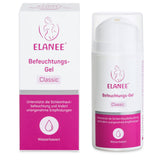
Harsh cleansing and care products can disrupt the beneficial bacteria in the vaginal flora. To avoid this and support the natural flora, a gentle combination of cleansing foam and moisturizing cream should be used.



Can vaginal flora be restored using home remedies?
If the vaginal flora is disrupted, medical help isn't always necessary. You can also support its restoration with the right home remedies.
Probiotic foods
Probiotic foods (e.g. yogurt, kefir, sauerkraut or special probiotic drinks) contain live lactic acid bacteria – such as Lactobacillus strains – which are also found in healthy vaginal flora.
These bacteria can help support the natural balance of the intimate flora by promoting the growth of beneficial lactobacilli, stabilizing the pH level in the acidic range, and thus inhibiting disease-causing germs and fungi.
Additionally, probiotic foods strengthen the immune system via the intestines, which can also have a positive effect on the vaginal flora.
Probiotics can also be ingested via dietary supplements.
Breathable underwear
Cotton underwear ensures good ventilation and reduces the risk of moisture in the intimate area. This lowers the risk of harmful germs multiplying.
Healthy eating
A healthy diet with sufficient fiber and vitamins ensures a good immune system and overall good health. This, in turn, has a positive effect on the vaginal flora.
Reduce stress
Even though this point isn't always easy to put into practice, it's advisable to keep stress levels as low as possible. Stress-free periods promote a better overall sense of well-being and strengthen the immune system.

Always seek medical advice
Important note: This article contains only general information and should not be used for self-diagnosis or treatment. It is not a substitute for a consultation with a doctor.
After taking antibiotics, the vaginal flora loses many lactobacilli. These can be restored with proper intimate hygiene, a lactic acid treatment , probiotics, and a suitable diet.
The vaginal environment is restored by lactobacilli (e.g. through diet), lactic acid products (such as a lactic acid treatment), proper intimate hygiene and a healthy lifestyle, and permanently stabilized by avoiding disruptive influences.
In the case of a yeast infection, the fungus is first treated with antifungal medication. Afterwards, the vaginal flora should be restored as described above.
The restoration of the vaginal flora takes varying amounts of time depending on the cause. This period can range from a few days to several weeks. Even after symptoms have subsided, it is advisable to continue supporting the intimate area, for example with a regular lactic acid treatment after menstruation.
To rebuild the vaginal flora, probiotics containing lactobacilli are most suitable. They help to naturally strengthen the lactic acid bacteria in the intimate area. Foods such as sauerkraut, kimchi, skyr, kefir, or natural yogurt are suitable for this purpose. It is also possible to take probiotics via dietary supplements.
The time it takes for probiotics to restore the vaginal flora can vary. It depends on the severity and duration of the disruption, as well as individual factors. Generally, a treatment period of at least four to twelve weeks is recommended to achieve noticeable improvements. In cases of recurring infections or long-lasting disruptions, treatment may take several weeks to months.
Products in the field of intimate health










More articles

Bacterial Vaginosis & pH Imbalance: Our 3-Level Concept
A healthy vaginal flora ensures a slightly acidic environment that protects against undesirable germs. If this balance is disturbed, the pH value can change. A possible consequence is bacterial vaginosis...
Read more

Vaginal Dryness: Our 3-Level Approach
A healthy vaginal flora ensures a slightly acidic environment that protects against undesirable germs. If this balance is disturbed, the pH value can change. A possible consequence is bacterial vaginosis...
Read more
How to properly establish the vaginal flora
The vaginal flora protects your intimate area and prevents infections. If this balance is disrupted, it can lead to health problems such as bacterial vaginosis or yeast infections. But don't...
Read more


1 comment
Super erklärt. Ich muss regelmäßig Antibiotika nehmen und habe deshalb Probleme bekommen. Davor habe ich mich nie mit dem Thema befasst.