

After birth, breastfeeding is a wonderful experience and strengthens the bond between mother and child. Breast milk is vital for the newborn. To ensure the milk contains sufficient nutrients, vitamins, and minerals, it is essential for the new mother to pay attention to her diet while breastfeeding.
Why is it important to eat a little more while breastfeeding?
Shortly after giving birth, you might want to quickly get back to your desired weight and consider going on a diet. However, especially while breastfeeding, you should be mindful of eating a little more. But why is a sufficient and balanced diet so important when breastfeeding?
Through breast milk, the newborn receives everything it needs. The milk is enriched with all the relevant nutrients that the mother consumes through her diet. To ensure the baby receives a balanced supply of nutrients, the mother must also eat sufficiently. This requires an additional energy expenditure of approximately 500 kilocalories. Therefore, if you feel hungrier while breastfeeding, this is perfectly normal, and you shouldn't feel guilty about giving in to the urge to eat more. On the contrary, you're doing yourself and your child a favor. However, it's important to remember that eating too much doesn't automatically mean the body will produce more milk. The focus should be on consuming nutrients and vitamins.
Which nutrients and vitamins should be given special attention during breastfeeding?
Your diet while breastfeeding should consist of foods like fruits, vegetables, lean meat, whole grains, nuts, and legumes. This will ensure you get all the nutrients and vitamins you need. Regularly including these ingredients in your diet will provide a sufficiently balanced nutrition. Sweets and cakes are allowed, but only in small amounts. While they are high in calories, they don't offer much additional nutritional value.
You should pay particular attention to your intake of iodine, iron, and calcium. A deficiency in these minerals can easily occur, especially during breastfeeding. However, they are essential for your baby's development.
- Iodine is found in foods such as seafood and dairy products. You can also use iodized salt when seasoning your food. This mineral is essential for a healthy thyroid and therefore plays a significant role in your baby's mental and physical development.
- Calcium is found in many foods. You'll find particularly high amounts in nuts and dairy products, as well as in vegetables like broccoli, spinach, and kale. During breastfeeding, a mother's bone density decreases, and to compensate for this, you need a higher calcium intake than usual.
- Iron is found in particularly high concentrations in meat, carrots, oats, kale, and whole-grain products. The female body loses a significant amount of iron during pregnancy. Therefore, it is even more important to ensure an adequate intake of this trace element while breastfeeding.
Is a vegetarian or vegan diet allowed during breastfeeding?
A vegetarian diet is generally compatible with nutrient intake while breastfeeding. A vegan diet is also possible. However, due to the absence of dairy products, it is more difficult to obtain all essential nutrients. This is not impossible, though. Vitamin B12 is absolutely necessary for the development of the child's nervous system and must be supplemented in a vegan diet. Maintaining adequate levels of iron, iodine, protein, and vitamin D can also be challenging. It is best to consult a medical professional or nutritionist to determine which supplements you need and which additional nutrients you should pay particular attention to.
How much and what should be drunk during breastfeeding?
During breastfeeding, your body needs more water than usual. Therefore, it's essential to drink enough. It's recommended to consume at least two liters of fluids throughout the day. Water and unsweetened teas are best. Fruit juices are also permitted, provided they are heavily diluted. Coffee and black tea, on the other hand, should be avoided. If you can't do without them, two to three cups a day are fine, but they should ideally be consumed after breastfeeding.
What should be avoided during breastfeeding?
Apart from alcohol, there is nothing that needs to be avoided while breastfeeding. However, there are some foods that can transmit pathogens to the newborn. These include raw or smoked meat, as well as fish with high levels of contaminants. Raw eggs and unpasteurized milk products can also cause foodborne illness.
If your baby gets gas from breastfeeding, the mother's diet might be the cause. While legumes and cabbage can trigger gas, they don't necessarily have to. If you suspect this is the case, a consultation with your doctor will provide clarity.
More tips for breastfeeding
A balanced diet while breastfeeding is paramount, but there are a few other points to consider. For example, medications should only be taken after consulting a doctor, as they can affect the baby. Alcohol, nicotine, and other drugs should also be avoided, as they can severely impair the child's development and lead to health problems.
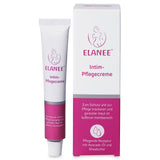
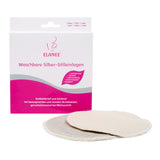
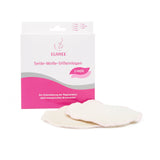
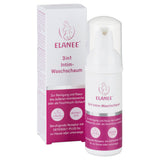
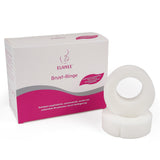
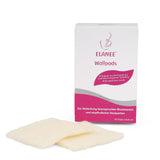
It's also important to take care of yourself while breastfeeding. Sore nipples or breast lumps can occur during this time. These are extremely uncomfortable and painful. Various breastfeeding accessories with different functions are available to support new mothers. These accessories often have a health-related aspect and offer a suitable solution depending on the problem.



Always seek medical advice
Important note: This article contains only general information and should not be used for self-diagnosis or treatment. It is not a substitute for a consultation with a doctor.
If you suffer from silent reflux while breastfeeding (a classic symptom would be heartburn, for example), you should pay attention to your body. Your diet should be nutrient-rich and balanced. At the same time, it must be tailored to your reflux needs. It's better to eat five small meals instead of three large ones. This puts less strain on your stomach and relieves pressure on the lower esophageal sphincter.
A balanced and nutrient-rich diet is recommended while breastfeeding. Fruits, vegetables, nuts, lean meat, and whole-grain products should be a regular part of the diet.
A vegan diet is neither better nor worse for breastfeeding. The important thing is to ensure the body receives sufficient nutrients.
As long as the body receives all the necessary nutrients, there is no effect on breast milk.
During breastfeeding, you can generally eat any vegetable or fruit that you have previously tolerated well.
There is no specific vegetable or fruit that should be avoided. Some babies get gas from cabbage or other vegetables. If this is due to diet, it is advisable to eliminate this food from their diet.
The nutrients pass quickly into breast milk. The milk is enriched with them just 30 to 60 minutes after feeding.
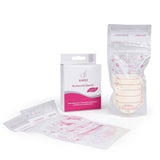
Products for pregnancy and breastfeeding


More articles

Bacterial Vaginosis & pH Imbalance: Our 3-Level Concept
A healthy vaginal flora ensures a slightly acidic environment that protects against undesirable germs. If this balance is disturbed, the pH value can change. A possible consequence is bacterial vaginosis...
Read more

Vaginal Dryness: Our 3-Level Approach
A healthy vaginal flora ensures a slightly acidic environment that protects against undesirable germs. If this balance is disturbed, the pH value can change. A possible consequence is bacterial vaginosis...
Read more

How to properly establish the vaginal flora
The vaginal flora protects your intimate area and prevents infections. If this balance is disrupted, it can lead to health problems such as bacterial vaginosis or yeast infections. But don't...
Read more


