

Your body has to work hard during menstruation. But there are ways to support it during this time.
Period pain, mood swings, fatigue, and food cravings: many women are familiar with these or similar symptoms during their monthly period. It is a hormonal rollercoaster that can make everyday life more difficult. But what can you do to feel better? Magnesium can be a helpful tool during your period to alleviate various symptoms. But how does it work, and what functions does this mineral actually have in our body?
What role does magnesium play in your body?
Magnesium is a vital mineral that cannot be produced by the body itself. This means it must be obtained through food or supplements. And that is important, because the mineral is significant for over 300 metabolic processes in the body. As a result, it is essential for heart health, muscle and nerve function, and bone development.
What are the symptoms of a magnesium deficiency?
A deficiency often manifests through well-known symptoms such as muscle twitching, but the list is even longer, and some are not so easy to identify.
- Muscle twitching, for example, a twitching eyelid
- Muscle tension and cramps
- Fatigue
- Inner restlessness
- Heart rhythm disturbances
- Changed blood pressure
- Headaches
- Digestive issues
- Especially in women: increased menstrual cramps
The symptoms listed are, of course, not solely attributable to a magnesium deficiency. Should you have any of these complaints, a consultation with a doctor is always recommended.

Why is this mineral particularly important for women?
For women, magnesium plays a special role during their period. This is because it has a positive effect on the hormonal balance and helps keep hormones such as estrogen, progesterone, insulin, and cortisol in equilibrium.

Does magnesium have an impact on hormones?
The mineral is very important for hormonal balance, and this is under particular strain during the menstrual cycle. But in what way does it influence hormonal processes, and what positive effects does it have?
Impact on the thyroid
Magnesium can have a positive effect on your energy levels. This is related to the thyroid, which is responsible for your metabolism. If it is healthy and sufficiently supplied with nutrients, it can carry out its tasks and provide the body with energy. Thyroid hormones even influence your mood and can improve it. In addition, they have a major impact on your cycle. If the gland is not working properly, changes in bleeding can occur. The intensity of the blood flow can vary, or spotting may occur. For this reason, magnesium can help to alleviate symptoms during your period.
Impact on cortisol levels
When you are stressed, your body produces increased amounts of cortisol. This is a hormone designed to help you by providing you with energy. It follows a natural rhythm so that you are active in the morning and can sleep at night. However, if your cortisol level is permanently elevated, or the rhythm is disrupted during your period, your nervous system goes into alarm mode, which results in you feeling stressed. Magnesium can naturally regulate your stress by breaking down excess cortisol. This calms your nerves and makes you feel more balanced.
Impact on blood sugar
The hormone insulin is responsible for blood sugar levels. If these remain stable, you will have fewer cravings and more energy. For this reason, magnesium is particularly helpful during your period.
Magnesium for period pain
If you are wondering whether your period pain can be relieved by magnesium, there is no simple yes or no answer. This mineral is not a cure, but it can help to alleviate menstrual pain. However, this varies from person to person.
Magnesium can have a positive effect on the uterine muscles during period pain. It does this because it is a natural antagonist to calcium, which is responsible for muscle contractions. When the muscles relax, abdominal cramps can be weakened, which can reduce pain.
How do you meet your daily intake?
The recommended daily intake for women is 300 milligrams. This amount can be obtained through food. In reality, however, this is not always achievable, and in those cases, dietary supplements can be a great help.
Through food
Many foods contain magnesium. The best sources include:
- Whole grain products
- Pumpkin seeds
- Cashews
- Oatmeal
- Legumes
- Sunflower seeds
- Spinach
- Broccoli
- Dark chocolate or cocoa powder
Through dietary supplements
To support your body, you should consume enough magnesium during your period. Since this cannot always be achieved through food in all situations, supplements can provide assistance. A high level of bioavailability is important here. For example, our PhytoElan ® Active+ dietary supplement powder features a well-conceived multi-magnesium formula that ensures a consistent supply. This magnesium drink was specifically adapted to the needs of women. In addition to this important mineral, it also provides vitamins B6 and B12.
Additional ways to relieve period pain
Magnesium can help with menstrual cramps and other accompanying symptoms, but this is not the same for everyone. However, discomfort can also become more bearable with different menstrual products. ELANEE offers a selection of products here for more comfort and well-being during your period. For example, heat pads can relieve cramps or soft tampons can provide a comfortable feeling.

Always seek medical advice
Important note: This article contains general information only and must not be used for self-diagnosis or self-treatment. It cannot replace a visit to a doctor.
Yes. A magnesium deficiency can exacerbate symptoms during a period. For this reason, an adequate intake during this time is beneficial.
This cannot be answered simply with a yes or no. The mineral can indirectly inhibit the formation of chemical messengers that influence the intensity of menstrual bleeding. If this occurs, it may under certain circumstances lead to a shorter period.
Yes, the mineral can have an influence on the cycle. A deficiency can lead to more severe symptoms. Conversely, when available in sufficient quantities, the mineral can alleviate side effects such as pain, mood swings, or fatigue.
The mineral can relax muscles and stabilize hormone levels and the nervous system. As a result, menstrual symptoms such as fatigue, cramps, mood swings, and food cravings can be alleviated.
On average, a woman should consume 300 to 320 mg per day. During menstruation, the intake can be increased by approximately 100 mg. However, in the best case, this should be discussed with a general practitioner first.
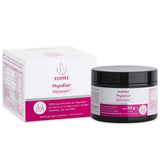
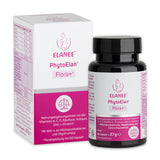
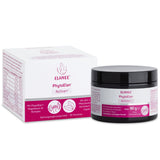
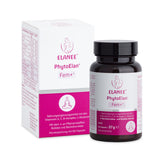
PhytoElan nutritional supplement products

More posts

Magnesium during your period – does it really help?
Your body has to work hard during menstruation. But there are ways to support it during this time. Menstrual pain, mood swings, fatigue, and food cravings: many women are familiar...
Read more

How the right diet influences your menstrual cycle
Severe cramps, tender breasts, back pain, or mood swings. Added to that is often a strong craving for a portion of fast food or something sweet. What do all these...
Read more


